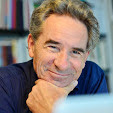
Die 1961 in den USA geborene Rebecca Solnit ist mir vor allem als geistreiche Essayistin ein Begriff. Auf dem Umschlag von Wanderlust wird sie als Kulturtheoretikerin bezeichnet. Vermutlich ist sie beides und noch einiges mehr. Die Erstveröffentlichung erschien vor zwanzig Jahren.
Den Rundweg auf einer Landzunge bei San Francisco, den sie "vor einem Jahrzehnt zu wandern begann, um meine Existenzängste in einem schwierigen Jahr hinter mir zu lassen", kenne ich zwar nicht, doch die Gegend ist mir bekannt und das Wandern als Methode der Angstbewältigung ebenso. Auch ihre Grunderfahrung beim Gehen ist mir vertraut. "Gelegentlich konzentriere ich mich auf den Akt des Gehens, doch meist bleibt es ein unbewusstes Tun, bei dem sich meine Füsse mittels ihrer eigenen Kenntnisse über Geschwindigkeit, das Halten des Gleichgewichts und das Umgehen von Steinen und Spalten fortbewegten. Das verschaffte mir die Freiheit, die Hügellandschaft in der Ferne und den Überfluss an Blumen um mich herum zu betrachten ...".
Beim Gehen gehe es darum, sich draussen aufzuhalten, im öffentlichen Raum. Und dieser ist ihr denn auch Anlass über Atomkraft, Malls, die Landschaft wie auch die Effizienzrhetorik nachzudenken. Von letzterer schreibt sie, dass sie suggeriere, dass nicht wert geschätzt werden könne, was nicht quantifizierbar sei. Ein sehr amerikanischer Gedanke, finde ich.
Zu den Philosophen, die das Wandern schätzten, gehörte auch Thomas Hobbes, der sogar einen Wanderstock mit einem integrierten Tintenfass besass, damit er unterwegs Ideen niederschreiben konnte, und der junge Nietzsche erklärte: "Drei Dinge sind meine Erholungen, aber seltne Erholungen: mein Schopenhauer, Schumann'sche Musik, endlich einsame Spaziergänge." Bei Rousseau und Kierkegaard macht Solnit grosse Ähnlichkeiten aus: "die gesellschaftliche Isolation".
Die meisten der englischen Autoren, die sich übers Wandern ausliessen, seien privilegiert gewesen und "schreiben, als hätte jedermann in Oxford oder Cambridge studiert, und sogar Thoreau war in Harvard", notiert sie. Nun ja, sich die Zeit zum Wandern zu nehmen und anschliessend davon zu berichten, fällt einem körperlich arbeitendem Menschen möglicherweise weniger ein. Auch die Art gelehrten Schreibens, das Wanderlust kennzeichnet, ist wohl eher Privilegierten zugänglich.
Besonders angesprochen haben mich die Ausführungen übers Pilgern, das für viele mit etwas Beschwerlichen verbunden scheint, das es zu erleiden gilt (travel - travail). Mir stehen diese Ausführungen von Allan G. Grapard, den Solnit zitiert, näher: "Je weiter sich Pilger von ihrer gewohnten Welt entfernen, desto näher kommen sie dem Reich des Göttlichen. Wir sollten erwähnen, dass im Japanischen das Wort für 'gehen' zugleich benutzt wird, um die buddhistische Praxis zu bezeichnen; der Praktizierende ist somit zugleich der Gehende, der nirgendwo wohnt, der in Leere verweilt. All dies hängt natürlich mit der Idee des Buddhismus als Weg zusammen: Praktizieren ist ein konkreter Zugang zur Erleuchtung."
Mit "Tausend Meilen konventionelles Empfinden" ist mein Lieblingskapitel überschrieben, worin ausgeführt wird, dass das Wandern für 'Das Reine', 'Das Einfache' und 'Das Ferne' stehe. Apropos 'Das Einfache': Als bei einem Gipfeltreffen zwischen Reagan und Gorbatschow die Verhandlungen ins Stocken kamen, soll Reagan (so die Legende) Gorbatschow zu einem Spaziergang am Genfersee eingeladen haben, bei dem der Engpass erfolgreich überwunden worden sei. So einfach kann das Leben sein, wenn zwei vernünftige Männer zusammen spazieren gehen ... Nein, das sollen wir nicht glauben, meint Solnit. Nur schon, dass die beiden über keine gemeinsame Sprache verfügt haben, ist ein Detail, das solcher Legendenbildung im Wege steht.
Ich erlebe Solnits Texte als Augenöffner; oft drücken sie aus, was ich selber einmal wahrgenommen, doch nur noch unbewusst in mir trage. So notiert sie übers Stadtwandern in San Francisco: "Wie ein Bücherregal japanische Dichtung, mexikanische Geschichte und russische Romane miteinander in Berührung bringt, enthielten die Gebäude meiner Stadt Zen-Zentren, Kirchen der Pfingstgemeinde, Tätowiersalons, Lebensmittelgeschäfte, Burritoläden, Filmpaläste und Dim-Sum-Restaurants." Und in Paris fällt ihr unter anderem auf, dass die Cafés nicht nur der Strasse zugewandt sind, sondern gleichsam in sie übergehen, "als wäre das Theater der Passanten selbst für die Dauer eines Getränks viel zu interessant, um ihm den Rücken zu kehren."
Wanderlust ist ein enorm vielseitiges und wesentlich philosophisches Buch, das nicht am Stück gelesen werden muss, sondern das man immer wieder zur Hand nehmen, irgendwo aufschlagen kann und Perlen finden wird. "Die Geschichte des Gehens ist, in der Stadt wie auf dem Land, eine Geschichte der Freiheit und der Definition von Vergnügen." Weshalb denn auch das Bergsteigen und "Las Vegas, oder die längste Strecke zwischen zwei Punkten" darin ihren Platz finden. Genauso wie der Versuch, "den Rekord für die langsamste Überquerung eines Bergrückens auf der Insel Skye" aufzustellen sowie die Auffassung des New Yorker Tanzkritikers Edwin Denby, der über junge Römer schrieb: "Ihr Spaziergang ist eine Form der Kommunikation, als wäre er ein Gespräch mit dem Körper."
Fazit: Informativer, vielfältiger und anregender geht kaum.
Rebecca Solnit
Wanderlust
Eine Geschichte des Gehens
Matthes & Seitz Berlin, 2019